
Dry Eye in Seniors vs. Younger Adults - What’s Different?
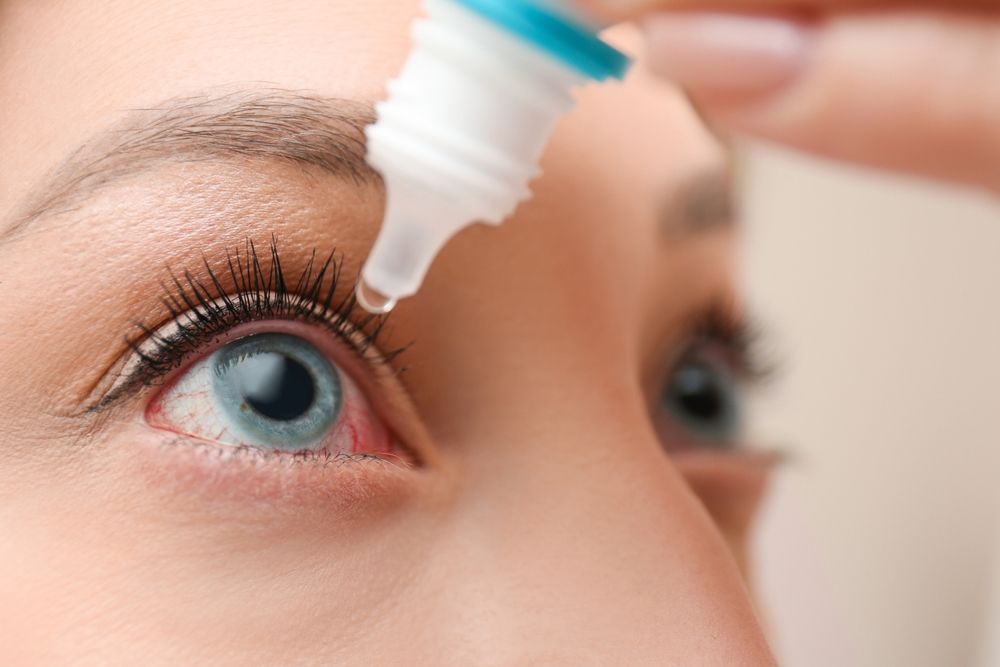
Dry, irritated eyes can affect anyone - but the reasons behind the discomfort aren’t always the same. While both seniors and younger adults may experience burning, redness, or blurry vision, the underlying causes of dry eye often vary by age. Understanding these differences is essential for choosing the right treatment and achieving lasting relief.
What Is Dry Eye?
Dry eye occurs when your eyes don’t produce enough quality tears to keep the surface of the eye properly lubricated. Tears are made up of three layers - oil, water, and mucus. When any part of this delicate balance is disrupted, symptoms can develop. Although dry eye can affect anyone, age plays a major role in why it happens and how it should be treated.
Dry Eye in Seniors
As we age, several natural changes increase the risk of dry eye:
- Decreased Tear Production: Tear production naturally declines with age. The lacrimal glands simply don’t produce as much of the watery layer of tears as they once did.
- Hormonal Changes: Hormonal shifts, particularly in post-menopausal women, significantly impact tear stability and oil production.
- Medication Side Effects: Many medications commonly prescribed to older adults - such as antihistamines, blood pressure medications, antidepressants, and diuretics - can reduce tear production.
- Chronic Health Conditions: Conditions such as diabetes, rheumatoid arthritis, and thyroid disorders are more prevalent in seniors and can contribute to dry eye.
In older patients, dry eye is often chronic and progressive, requiring advanced treatment rather than just artificial tears.
Dry Eye in Younger Adults
Dry eye is no longer just an age-related condition. Many younger adults - even those in their 20s and 30s - are experiencing symptoms at increasing rates.
- Screen Overuse: Digital device use reduces blink rate by up to 60%. Fewer blinks mean less oil distribution across the eye’s surface, leading to tear evaporation.
- Contact Lens Wear: Contacts can disrupt the tear film and increase evaporation.
- Environmental Factors: Air conditioning, heating systems, and pollution can dry out the eyes.
- Meibomian Gland Dysfunction (MGD): MGD - blockage or poor function of the oil glands in the eyelids - is one of the leading causes of evaporative dry eye in younger patients.
In younger patients, dry eye is frequently driven by inflammation and oil gland dysfunction rather than reduced tear production alone.
A Customized Approach for Every Age
Because the causes differ, treatment should be personalized. Over-the-counter artificial tears may provide temporary relief, but they don’t address the root cause - especially when inflammation or meibomian gland dysfunction is involved. At Lakefront Eyecare, we go beyond basic eye drops to treat the underlying source of dry eye with innovative solutions like IPL and RF therapy.
For seniors, treatment may focus on improving tear quality and reducing inflammation while addressing medication-related dryness. For younger adults, restoring healthy gland function and improving blinking patterns may be the priority.
We perform a comprehensive dry eye evaluation to determine the exact cause of your symptoms. From there, we develop a personalized treatment plan that may include IPL, RF, prescription therapies, lifestyle adjustments, or a combination of approaches.
Find Lasting Relief from Dry Eye at Lakefront Eyecare
Dry eye may look similar across age groups, but the reasons behind it are often very different. Seniors commonly experience decreased tear production and medication-related dryness, while younger adults frequently struggle with screen-induced evaporation and meibomian gland dysfunction. The good news is that advanced treatments like IPL and radiofrequency therapy are transforming how dry eye is managed - offering long-term relief rather than temporary symptom control.
If you’re experiencing dry eye symptoms, schedule a dry eye consultation at Lakefront Eyecare and learn how advanced IPL and RF treatments can restore comfort and clarity to your vision. Visit our office in Edgewater, Colorado, or call (303) 578-8055 to book an appointment today.

Hours of Operation
- Monday 8:00am - 5:00pm
- Tuesday 8:30am - 5:30pm
- Wednesday 10:00am - 7:00pm
- Thursday 9:30am - 5:30pm
- Friday 7:00am - 12:00pm
- Saturday Closed
- Sunday Closed
Our Services
EYE CARE
EYE CONDITIONS
DRY EYE
AESTHETICS & WELLNESS
© 2026 Lakefront Eye Care | Aesthetics & Wellness. All rights Reserved. Accessibility Statement - Privacy Policy - Terms & Conditions - Sitemap
Powered by:
