
Balancing Summer Screen Time: Managing Digital Fatigue for Kids in Edgewater on Summer Break
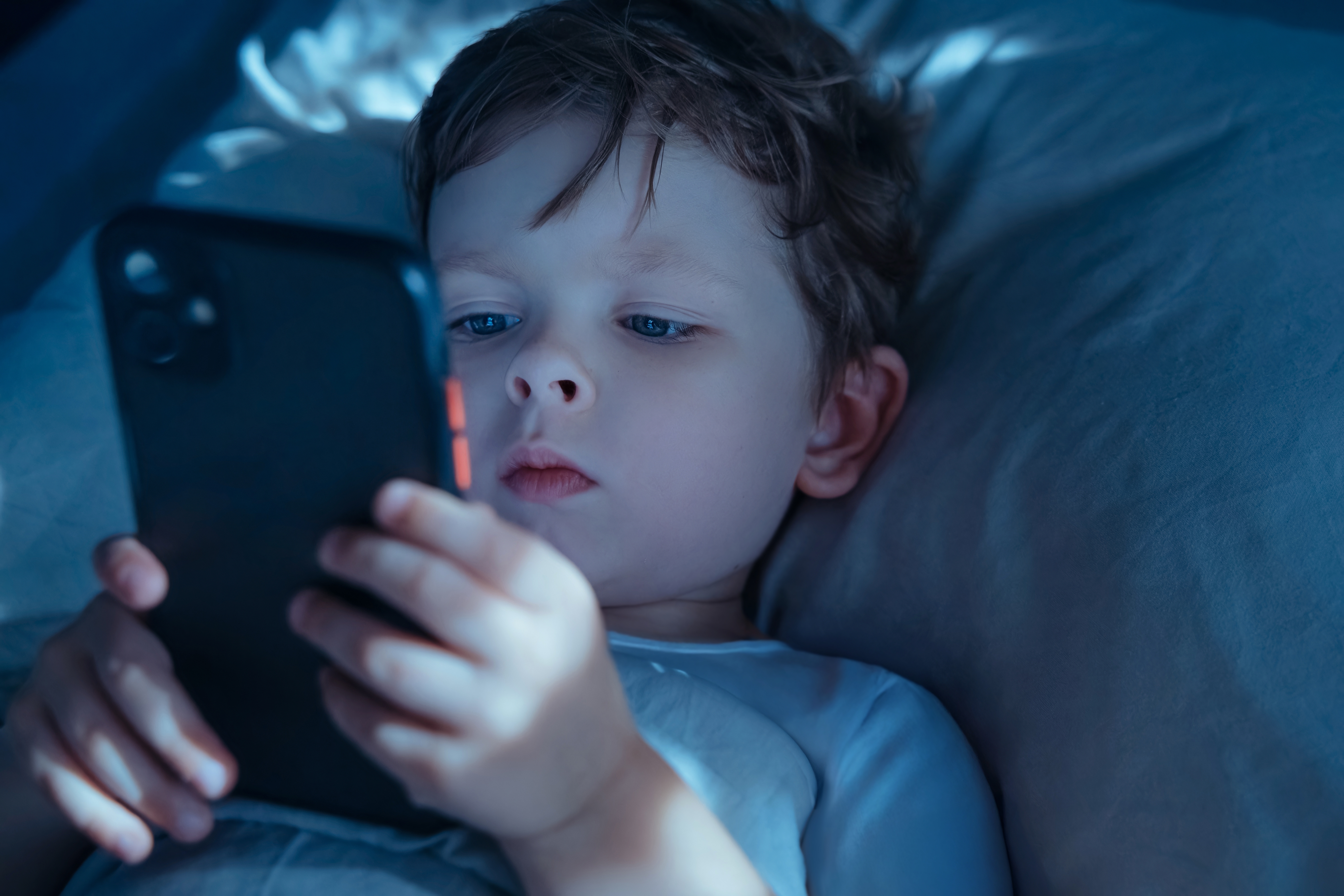
Summer break can bring a welcome change of pace for families in Edgewater, but it can also mean more screen time for kids. Tablets, gaming systems, phones, streaming, and online learning tools can quickly fill long summer days. While digital devices are part of modern life, too much screen use can contribute to eye strain, fatigue, dry eyes, headaches, and blurry vision.
At Lakefront Eye Care | Aesthetics & Wellness in Edgewater, we help families understand how screen habits can affect children’s vision and when it may be time for a pediatric eye exam.
Why Summer Screen Time Affects Kids Differently
Children’s eyes are still developing, and many kids do not recognize or explain visual discomfort clearly. Instead of saying their eyes feel strained, they may rub their eyes, lose focus, avoid reading, become irritable, or complain of headaches.
During summer break, kids may spend more time switching between near activities, such as tablets, books, phones, and handheld games. This extended close-up focus can make the eyes work harder, especially if a child has an uncorrected prescription, focusing issue, eye teaming concern, or dry eye symptoms.
What Digital Fatigue Can Feel Like
Digital fatigue can develop when the eyes spend long periods focusing on screens without enough breaks. Screens also tend to reduce blink rate, which can make the tear film less stable. When kids blink less often, their eyes may feel dry, gritty, watery, or tired.
For Edgewater families, digital fatigue may be more noticeable during summer because kids have fewer structured school routines and more open time for devices. Even children with clear eyesight can experience screen-related discomfort.
Signs Your Child May Need An Eye Exam
A pediatric eye exam can help determine whether screen fatigue is related to habits, prescription needs, eye coordination, dryness, or another vision concern. Watch for signs such as:
- Frequent eye rubbing during or after screen use
- Headaches after gaming, reading, or tablet time
- Squinting at screens, books, or distant objects
- Holding devices very close to the face
- Watery, red, or irritated eyes
- Losing place while reading
- Avoiding close-up tasks
- Blurry vision that comes and goes
These signs should not be ignored, especially if they continue after reducing screen time or adding breaks.
Why Pediatric Eye Care Matters Before School Starts
Summer is a smart time to schedule pediatric eye care because it gives families more flexibility before back-to-school routines return. If your child needs glasses, updated lenses, or additional testing, there is more time to adjust before the classroom demands begin.
A school vision screening may only check basic distance vision. A comprehensive pediatric eye exam looks more closely at how the eyes focus, move together, and support everyday learning. This can be especially important for kids who struggle with reading, attention, or headaches.
Creating Healthier Screen Habits At Home
Managing screen time does not mean removing devices completely. The goal is to create better balance and reduce stress on the eyes. Parents can help by building screen breaks into the day, encouraging outdoor play, and keeping devices at a comfortable distance.
The 20-20-20 rule can be helpful - every 20 minutes, have your child look at something about 20 feet away for 20 seconds. Good lighting, proper posture, and regular blinking can also support more comfortable screen use.
When Screens Reveal A Deeper Vision Problem
Sometimes screen discomfort is not caused by the device itself. It may reveal a vision issue that was already present. A child with mild farsightedness, astigmatism, binocular vision problems, or focusing difficulty may feel worse during long periods of close work.
That is why an eye exam is important if symptoms repeat. Your eye doctor can evaluate whether your child’s eyes are working efficiently and recommend the next steps based on the findings.
Supporting Edgewater Kids Through Summer And School
Balanced screen habits, outdoor time, and regular pediatric eye exams can all support healthier vision. If your child is dealing with digital fatigue this summer, scheduling an exam before school starts can help identify the cause and reduce avoidable strain.
To schedule a pediatric eye exam or comprehensive wellness exam, contact Lakefront Eye Care | Aesthetics & Wellness in Edgewater, CO at 1931 Sheridan Blvd Suite S, Edgewater, CO 80214, or call (303) 578-8055.



Hours of Operation
- Monday 8:00am - 5:00pm
- Tuesday 8:30am - 5:30pm
- Wednesday 10:00am - 7:00pm
- Thursday 9:30am - 5:30pm
- Friday 7:00am - 12:00pm
- Saturday Closed
- Sunday Closed
Our Services
EYE CARE
EYE CONDITIONS
DRY EYE
AESTHETICS & WELLNESS
© 2026 Lakefront Eye Care | Aesthetics & Wellness. All rights Reserved. Accessibility Statement - Privacy Policy - Terms & Conditions - Sitemap
Powered by:
